If you’ve ever Googled “what is digital marketing” and come away with a definition that told you nothing useful — something along the lines of “digital marketing is the promotion of products and services through digital channels” — you’re not alone. Most definitions of digital marketing are technically accurate and practically useless at the same time.
So let’s try a different approach. Instead of defining it in the abstract, this guide is going to explain what digital marketing actually looks like for a small business, which parts of it genuinely matter at different stages, and how to think about it without getting overwhelmed by the sheer number of channels, tools, and tactics that get thrown at you from every direction.
By the end, you’ll have a clear enough picture to make real decisions about where to focus your time and money — rather than feeling like you need to be doing everything at once.

What Digital Marketing Actually Is
At its most straightforward, digital marketing is any activity that promotes your business through the internet or digital devices. Your website, your social media presence, the emails you send to clients, the ads that appear when someone searches for your services on Google — all of it falls under the digital marketing umbrella.
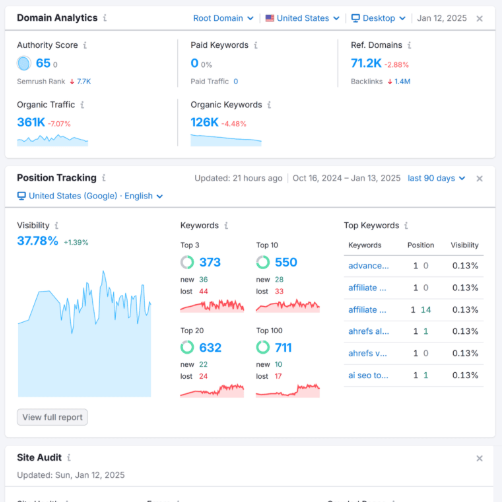
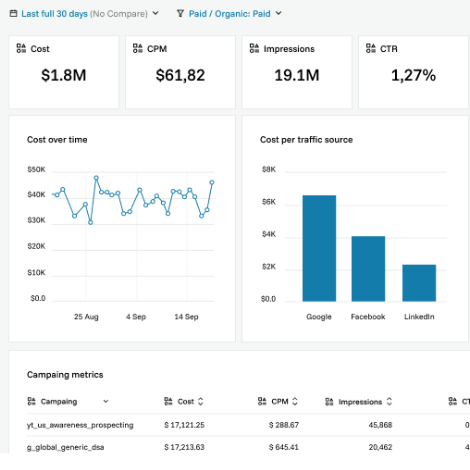
What makes digital marketing fundamentally different from traditional marketing — print ads, billboards, flyers, radio spots — is measurability and targeting. With a newspaper ad, you spend money and more or less guess at the result. With digital marketing, you can see exactly how many people saw your content, how many clicked, how many converted into enquiries, and what the cost per result was.
That measurability is powerful. It’s also what makes digital marketing feel intimidating — because when everything is measurable, there’s a temptation to measure everything, optimise everything, and add new channels before the existing ones are working well.
The businesses that get the most from digital marketing are almost never the ones doing the most things. They’re the ones doing a smaller number of things consistently and well.
“Digital marketing done well isn’t about being everywhere — it’s about being in the right places with the right message for the right people.”

The Main Channels — What Each One Actually Does
Digital marketing is made up of several distinct channels, each with its own logic, its own timeline, and its own strengths. Understanding what each one is actually for helps you decide which ones deserve your attention first.
Search Engine Optimisation (SEO)
SEO is the process of improving your website so that it appears higher in Google’s organic search results when people search for what you offer. It’s a long-term investment — results typically take three to six months to become meaningful — but the payoff is traffic that costs nothing per click and compounds over time.
For most small businesses, SEO is the highest long-term ROI channel available. It takes patience to see results, but the businesses that start it early and stay consistent with it almost always end up with their most cost-effective source of leads.
Pay-Per-Click Advertising (Google Ads)
PPC ads let you pay to appear at the top of Google search results for specific keywords. Unlike SEO, results are immediate — your ad can appear within hours of setting up a campaign. Unlike SEO, the traffic stops the moment your budget does.
PPC is the right choice when you need leads quickly, when you’re launching something new, or when you’re in a highly competitive space where organic rankings take a long time to build. Used alongside SEO, it covers your short-term needs while the long-term organic asset develops.
Social Media Marketing
Social media covers platforms like Facebook, Instagram, LinkedIn, TikTok, and others — both organic posting and paid advertising. Which platform matters for your business depends entirely on where your ideal clients actually spend their time online.
LinkedIn is the clear choice for B2B businesses. Instagram and Facebook work well for consumer-facing businesses, particularly those with visual products or services. TikTok is increasingly relevant for businesses trying to reach younger demographics with educational or entertaining content. Trying to maintain a strong presence on all platforms simultaneously is a recipe for doing none of them well.
Email Marketing
Email consistently delivers among the highest ROI of any digital marketing channel — estimates typically put it at around $36 returned for every $1 spent, though that varies considerably by industry and execution quality. It’s a channel you own, unlike social media where algorithm changes can cut your reach overnight.
For small businesses, a simple regular newsletter — monthly is enough to start — that delivers genuinely useful content keeps your business relevant to past clients and warm prospects without requiring constant new content production.
Content Marketing
Content marketing means creating genuinely useful content — blog posts, guides, videos, podcasts — that attracts your ideal clients by answering their questions and demonstrating your expertise. It sits underneath several other channels: good content improves your SEO, gives you material to share on social media, and feeds your email newsletter.
The businesses that consistently attract the best clients online are almost always producing useful content. It builds trust before a potential client has ever spoken to you — and that pre-built trust makes the sales conversation significantly easier.
Local SEO and Google Business Profile
For businesses serving a specific geographic area — a local service, a shop, a practice — local SEO is often more impactful than anything else in this list. Appearing in the “map pack” (the three business listings that appear with a map in local search results) for searches like “web design agency near me” or “accountant in [city]” drives highly qualified local traffic. Setting up and optimising your Google Business Profile is free and takes a few hours — the return on that investment for local businesses is consistently strong.

What a Small Business Actually Needs to Start With
This is the section most digital marketing guides avoid — probably because the honest answer isn’t very exciting, and it doesn’t justify selling you a comprehensive multi-channel marketing package on day one.
For a small business at the beginning of its digital marketing journey, the priority list looks something like this:
1. A Website That Actually Converts
Before any marketing channel can work properly, you need somewhere for traffic to land that does a good job of turning visitors into enquiries. A slow, confusing, or unconvincing website wastes every pound and hour you spend driving traffic to it. Fix the foundation before building on top of it.
2. Google Business Profile (if you serve a local area)
Free, high-impact, and often underutilised. Set it up, fill in every field, add photos, and ask your best clients to leave reviews. The return on this two-hour investment is disproportionately high for local businesses.
3. Basic SEO on Your Core Pages
Make sure your homepage and main service pages are optimised for the keywords your ideal clients are actually searching for. This doesn’t require a large ongoing investment — it’s mostly a one-time task that pays dividends for years.
4. One Social Media Channel, Done Well
Pick the platform where your clients are most likely to be, and show up there consistently. One platform with regular, useful content outperforms three platforms with sporadic, uninspired posts every time.
5. An Email List, Started Early
Even if you only send one email a month, start building your list now. The contacts you collect today will be valuable for years. An email list you own is an asset that no algorithm change can take away from you.

How Much Should a Small Business Spend on Digital Marketing?
There’s no single right answer to this — it varies by industry, by how established the business is, and by how aggressively you want to grow. But there are some general principles worth knowing.
A commonly cited benchmark is 7–10% of revenue for marketing spend in general, with digital making up an increasing proportion of that. For a business doing $200,000 in annual revenue, that’s $14,000–$20,000 per year, or roughly $1,200–$1,700 per month.
For early-stage businesses or those with limited budgets, the priority should be channels that compound over time — SEO and content — rather than paid advertising that stops the moment the budget does. $500/month invested in SEO and content consistently over two years will typically outperform $500/month in Google Ads over the same period, though the ads will show results faster in the short term.
The worst thing you can do with a limited budget is spread it too thin across too many channels. Pick two or three and do them properly.
Common Digital Marketing Mistakes Small Businesses Make
Having worked with businesses across different industries and sizes, the same mistakes come up repeatedly. Knowing about them in advance saves a lot of wasted time and money.
- Trying to be on every platform. This is probably the most common mistake. Social media, blog, YouTube, podcast, email newsletter, Google Ads, SEO — attempting all of them simultaneously with a small team or limited time produces mediocre results everywhere. Focus wins.
- Prioritising vanity metrics over real ones. Follower counts, likes, and impressions feel good but don’t pay the bills. The metrics that matter are enquiries, leads, and revenue generated from each channel.
- Expecting immediate results from SEO. Businesses that start SEO expecting results within a month and abandon it after two months have wasted their investment at exactly the wrong point. SEO requires sustained effort over time — the results compound, but only if you don’t stop.
- Ignoring existing clients in favour of chasing new ones. Email marketing to your existing client base is consistently one of the highest ROI activities available to small businesses. Past clients already trust you. Staying in touch keeps you front of mind when they need your services again or when they’re recommending someone to a colleague.
- Outsourcing without understanding the basics yourself. You don’t need to become a digital marketing expert, but understanding what each channel does and what good results look like protects you from being misled by poor-quality agencies or freelancers. This guide is a reasonable starting point for that.

How to Know if Your Digital Marketing is Actually Working
This is a question worth asking regularly — and being honest about the answer.
The clearest signal is simple: are you getting more enquiries from online sources than you were six months ago, and are those enquiries coming from people who are a good fit for your business? If yes, something is working. If no, something needs to change.
Beyond that top-level question, a few specific metrics are worth tracking:
- Organic traffic from Google — available in Google Analytics and Search Console. Is it growing month over month?
- Conversion rate — of the people who visit your website, what percentage make contact? Industry averages vary, but below 1% usually indicates something about the site or the traffic quality needs attention.
- Cost per lead — for paid channels, what does each enquiry actually cost you? This should be decreasing over time as you optimise campaigns.
- Email open rate — for newsletters, are people actually reading what you’re sending? Below 20% typically indicates either an audience relevance issue or a subject line problem.
You don’t need a sophisticated analytics setup to track these. Google Analytics and Google Search Console are free. Your email platform already shows open and click rates. The discipline is looking at the numbers regularly and being willing to change something when they’re not moving in the right direction.

Frequently Asked Questions
Do I need a digital marketing agency or can I do it myself?
Many small business owners successfully handle their own digital marketing, particularly in the early stages. The tasks that are most manageable without specialist help are social media posting, email newsletters, basic SEO setup, and content writing. The areas where professional help tends to add the most value are technical SEO, Google Ads campaign management, and building more complex automation or analytics setups. A practical middle ground is handling the ongoing content work yourself and bringing in specialists for the technical and strategic layers.
Which digital marketing channel gives the fastest results?
Google Ads delivers the fastest results — you can be appearing at the top of search results within hours of setting up a campaign. Social media paid advertising is also relatively fast. Organic channels like SEO and content marketing take longer but deliver compounding returns over time. For most small businesses, the answer is to use paid channels for immediate results while building organic channels for long-term growth.
Is social media marketing worth it for B2B businesses?
It depends heavily on the platform. LinkedIn is genuinely valuable for most B2B businesses — it’s where business decision-makers spend professional time, and consistent, useful content there builds credibility and generates referrals and inbound enquiries over time. Other platforms are less consistently relevant for B2B, though there are exceptions depending on the industry and target audience. The key is choosing based on where your specific clients are, not on which platform is currently most talked about.
How long before digital marketing starts generating consistent leads?
For paid channels, leads can start flowing within days or weeks. For organic channels — SEO and content marketing — a realistic expectation for consistent, meaningful lead flow is six to twelve months of sustained effort. Local SEO for businesses in less competitive markets can show meaningful results faster, sometimes within two to three months. The key word in all of this is “consistent” — sporadic effort produces sporadic results regardless of the channel.